Touch grass
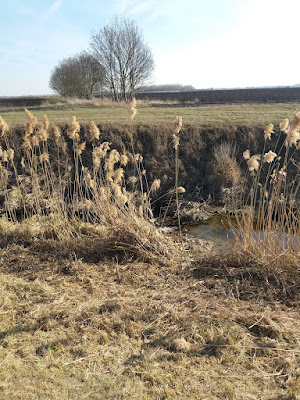
Elhagyottnak tűnik. Hoztam néhány termetesebb átmérőjű fehérfűz dugványt és végig szúrtam a gát mentét.

Kanyar utáni csend.
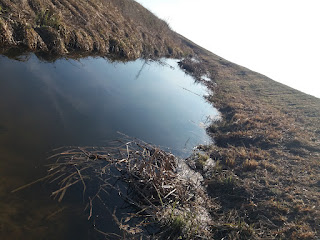
'Kökényes' gát mögötti vízfelület.
Nagy divatja van felénk a rézsű tarra vágásának. Már február végén elkezdik. Imitt-amott a földet túrja, skalpolja a kasza, de még akkor is lejjebb tolja. Így mintegy földgyaluként is működik. A kaszálás árvízvédelmi szempontból szabályos azt írják, de az áradás idén is elmarad úgy gondolom.
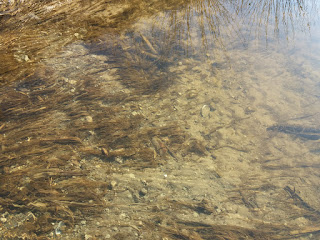
Tiszta és áttetsző. Kagylók, csigák.

ugrottam...
Minnesota Woman
When Minnesota Woman was alive, the land was still remembering ice.
Nearly 8,000 years ago, massive glaciers had only recently released their grip on the upper Midwest. What remained was a young world—raw, wet, and alive with possibility. Meltwater filled the lowlands, forming lakes that shimmered like new mirrors. Forests were spreading northward, replacing open tundra and grassland. Birch and pine gave way slowly to oak and maple. Animals returned. So did people.
Minnesota Woman lived during this moment of transition, when North America was no longer Ice Age, but not yet the world we recognize today. Her people were Mesolithic-era hunter-gatherers, adapting to rapidly changing ecosystems with skill earned through generations of observation.
She was an adult woman, likely in her thirties or forties at death—an age that marked experience, resilience, and knowledge in prehistoric societies. Survival to that point meant she had endured winters of scarcity, childbirth risks, illness without medicine, and constant physical labor.
Her body tells that story.
Her bones show strength shaped by movement: long walks across uneven terrain, carrying firewood, food, and water; kneeling to process hides; bending to gather plants along lakeshores and forest edges. Her muscles remembered repetition. Her joints remembered effort.
This was not a life of leisure—but it was not aimless.
Her community lived close to water. Lakes and rivers were lifelines: fish, freshwater mussels, reeds, birds, and seasonal game gathered at their edges. Canoe-like watercraft may already have existed, allowing movement across waterways that stitched the land together. Travel was frequent, but familiar.
Food came from many sources. Fish speared or netted. Deer tracked and taken with stone-tipped weapons. Nuts, seeds, and roots gathered at the right moment—knowledge passed from elder to child through years of practice. Fire transformed everything: warmth, protection, cooking, and story.
Minnesota Woman likely knew the land intimately. She knew which plants healed wounds and which caused harm. She knew how weather changed before it arrived. She knew when to move camp and when to stay. Her value to the group was not measured in speed or strength alone, but in memory.
Then she died.
Her death was not sudden violence. There are no signs of trauma from weapons. No evidence of attack. Instead, her passing appears to have been natural—illness, infection, or the quiet failure of the body after years of labor.
What matters is what happened next.
Her people buried her deliberately.
She was placed carefully in the ground, not discarded, not forgotten. Her body position and the surrounding context indicate intention—a recognition that death required response. This was not just disposal. It was acknowledgment.
Burial practices at this time were becoming more common, suggesting a growing sense of place and belonging. These people were no longer only passing through landscapes; they were forming relationships with specific territories. To bury someone was to claim continuity—to say: we were here, and we remember.
Minnesota Woman was laid into that memory.
For nearly 8,000 years, the soil held her bones as forests rose and fell above her. Lakes shifted. Animals changed. Human cultures transformed from mobile foragers to farmers to city builders. Still, she remained—quiet, intact, waiting.
When archaeologists uncovered her skeleton, they found more than an ancient body. They found a key to understanding early Holocene life in North America.
Her remains helped confirm that people lived in the upper Midwest continuously after the Ice Age—not as fleeting migrants, but as long-term inhabitants who adapted successfully to forest environments. She represented a population that bridged two eras: Ice Age hunters and later woodland cultures.
Her isotopic signatures revealed a diet balanced between land and water—fish and terrestrial animals rather than megafauna long gone. Her teeth carried the marks of a life without processed foods, worn by natural grit rather than sugar. Her bones showed no luxury—but no abandonment either.
She was part of a stable world.
Minnesota Woman is important not because she was extraordinary, but because she was typical. And in that typicality lies truth.
She shows us that ancient North Americans were not always chasing mammoths or fleeing glaciers. Many lived quieter lives—raising children, gathering food, aging within their communities, and dying among people who cared enough to bury them.
She reminds us that prehistory was not only dramatic migration and extinction.
It was also continuity.
Season after season.
Lake after lake.
Life lived carefully in a changing land.
Minnesota Woman had no monument. No tools placed in her grave. No written name. And yet, her existence reshapes how we understand the human past of North America.
She stood at the beginning of something lasting.
Between ice and forest.
Between ancient movement and rooted place.
Between survival and belonging.
And because the earth held her gently, her story still stands—quiet, steady, and deeply human.
Seventh seal, Ingmar Bergman
"Mikor a hetedik pecsétet feltörte, mintegy félóráig tartó csend lett a mennyben."
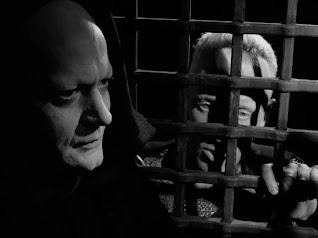
Antonius Block lovag, Isten válaszára várva,
sakkjátszmába kezd a halállal hogy időt nyerjen.

Ha a halál ilyen nyilvánvalóan jelenik meg, akkor Isten miért marad rejtve.
"Azt akarom hogy Isten kinyújtsa felém a kezét!"
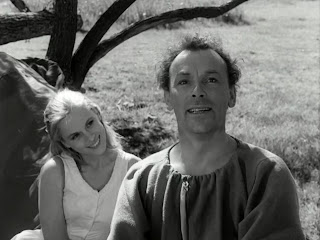
Mia és Jof.
Az egyszerű, mutatványos Jof-nak gyakran támadnak látomásai.
Olykor a kis-Jézussal sétáló Mária, majd a halál mutatkozik meg előtte.
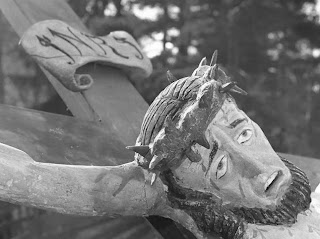
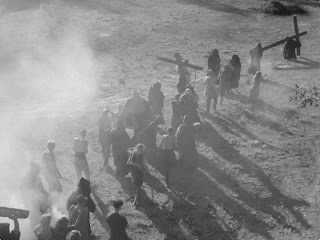
A nyugati parton a fekete halál pusztít. Csak a teremtő segíthet..., de Ő hallgat.
-
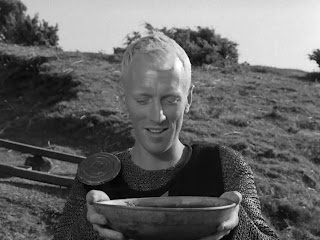
A film vége felé látható egy jelenet, ahol a lovag és útitársai szamócát és tejet fogyasztanak a domboldalon. Ezt Bergman gyakran az eucharisztia (úrvacsora) profán, mégis szent változataként ábrázolja. A lovag itt nem a dogmákban, hanem az emberi közösségben és a pillanatnyi békében találja meg azt az értelmet, amit Istentől hiába várt.
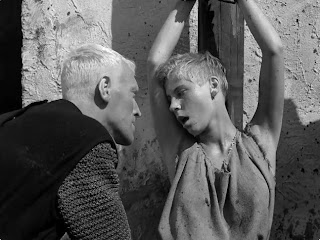
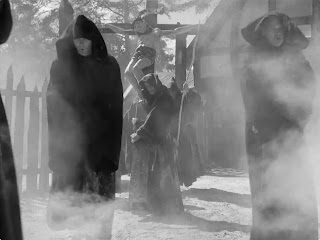
A papok szerint a lány egy boszorkány, az ördög cinkosa, aki miatt pestis járvány terjed, máglyán kell elégetni.
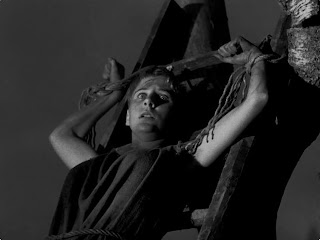
A lovag viszont nem látja benne a gonoszt, de az életét így sem mentheti meg.
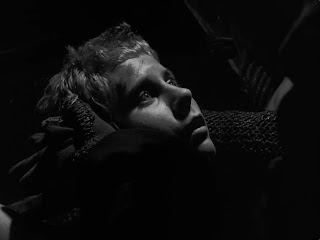
Csak fájdalmát enyhítheti.
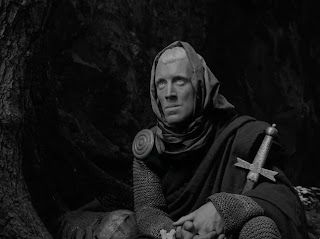
Matt helyzet.
A végzet elkerülhetetlen.
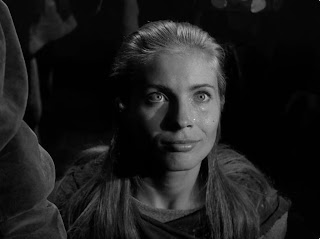
"Bevégeztetett."
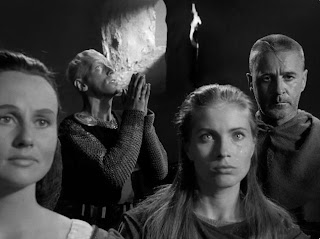
Mindenki a saját elképzelése szerint indul haláltáncba.
A videó megtalálható a youtube-on. A beágyazást a feltöltő nem engedélyezte.
Plant rooting
86' Veled vagyok
Óšibšib
Cegléd, Kossúth múzeum, 100 év múltán a Vatya kúltúrát bemutató tárlat
100 ÉV MÚLTÁN
A középső bronzkori Vatya-kultúra temetője a ceglédi Öregszőlőkben
2025. december 4. – 2026. április 12.
;;
Subscribe to:
Megjegyzések (Atom)
